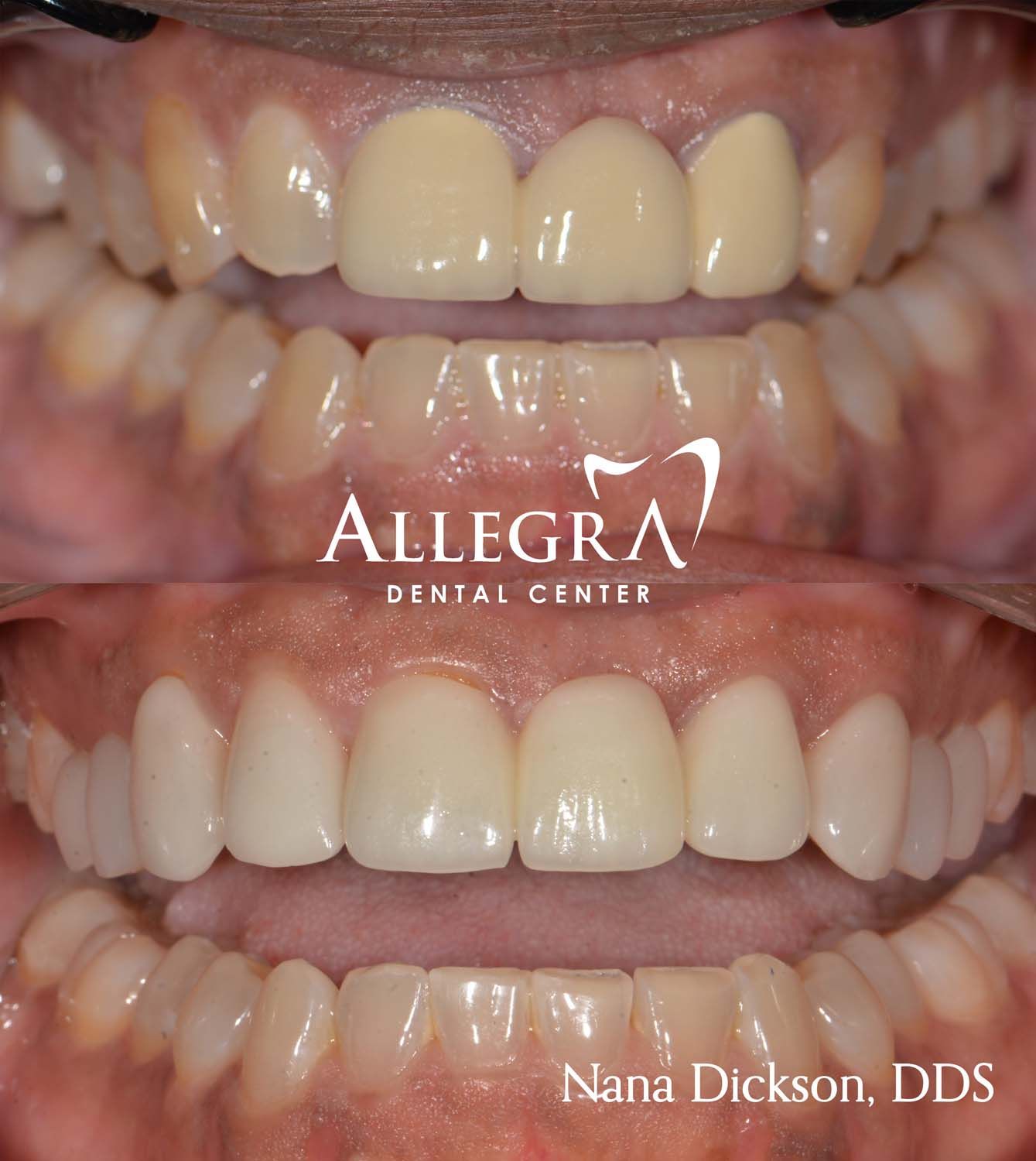
What is the difference between a smile makeover and full-mouth rehabilitation?
A smile makeover usually focuses on visible cosmetic improvements. Full-mouth rehabilitation is more comprehensive and may involve multiple teeth, bite stability, chewing function, old dental work, missing teeth, or severe wear.
Is this only cosmetic dentistry?
Not necessarily. Many patients need a combination of cosmetic and restorative planning because worn teeth, old crowns, missing teeth, gum support, bite forces, and jaw comfort can affect the final appearance.
What causes a smile to look older?
Common contributors include worn edges, enamel thinning, darker shade, old dental work, tooth movement, gum recession, missing teeth, bite changes, dry mouth, clenching, and changes in how the lips frame the teeth.
Do I need veneers for a smile makeover?
Maybe, but not always. Whitening, bonding, Invisalign, gum-line treatment, crowns, implants, or a smaller phased plan may be more appropriate depending on diagnosis and goals.
Can worn teeth be rebuilt?
Often they can be improved, but the reason for the wear matters. The team evaluates bite forces, enamel, tooth structure, jaw symptoms, and old restorations before recommending bonding, veneers, crowns, or protective appliances.
Can treatment be phased over time?
In many cases, yes. Allegra Dental Center can explain which steps are urgent, which are optional, which should happen before final cosmetic work, and how to phase treatment around timing and budget.
How do implants, crowns, Invisalign, or whitening fit into the plan?
They are chosen based on the problem being solved. Invisalign may improve tooth position, whitening may set the shade, crowns may rebuild weak teeth, and implants may restore missing-tooth support.
What happens at the consultation?
The visit reviews your goals, dental history, photos, teeth, gums, bite, old dental work, missing teeth, jaw comfort, and possible imaging before comparing treatment paths.
How are results maintained after a larger smile plan?
Maintenance may include hygiene visits, gum monitoring, nightguard or bite protection, retainer use after aligners, repair planning, and follow-up checks for restorations and implants.