
Dental services in Fairfax

Periodontal Specialty Treatment in Fairfax, VA

Periodontal specialty treatment in Fairfax, VA with Dr. Anas Al-Sabbagh for gum disease, gum recession, bone support, dental implants, and long-term oral stability.

Specialty gum care for the foundation your smile depends on.

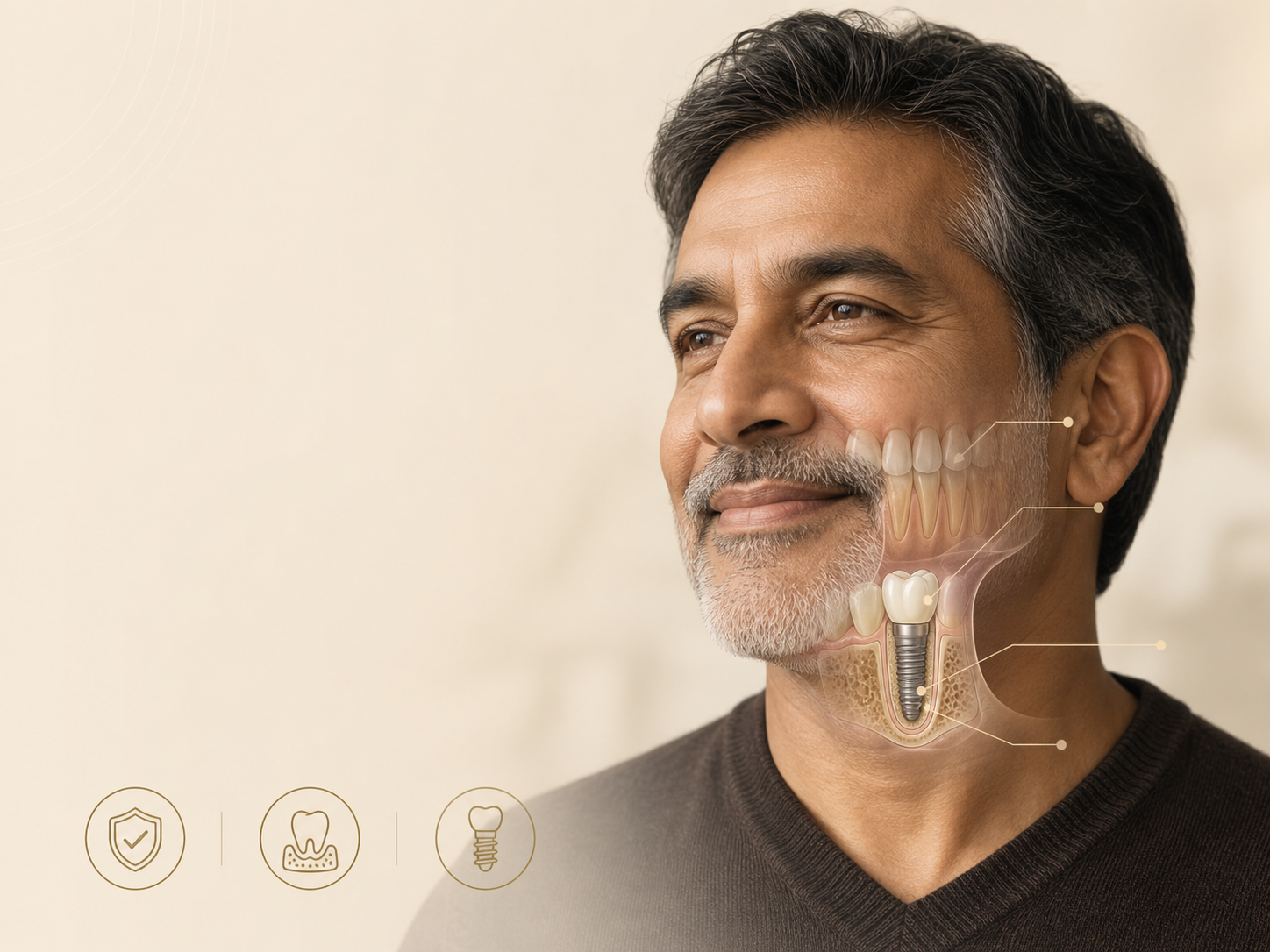
Gums and bone are not the background of dentistry. They are the support system. Dr. Anas Al-Sabbagh, a board-certified periodontist, helps Allegra Dental Center patients understand gum disease, recession, bone support, implant foundations, and long-term maintenance before the problem becomes a bigger restorative or cosmetic decision.

Decision guide

The decision behind Periodontal Specialty Treatment

Patient problem

The warning signs can feel small until they are not.

Bleeding when brushing, chronic bad breath, receding gums, loose teeth, deep pockets, bone loss on X-rays, or a history of gum disease can quietly threaten teeth, implants, crowns, and cosmetic work.

Common shortcut

Gum care can get reduced to a cleaning code.

Patients may hear that they need a deep cleaning or maintenance visit without understanding whether the issue is active inflammation, recession, bone loss, bite trauma, implant risk, hygiene access, or a surgical concern.

Our approach

The foundation is diagnosed before the plan is chosen.

Dr. Anas evaluates gums, bone, tooth stability, pocket depths, medical risk factors, implant needs, and restorative goals so patients understand what should be stabilized, monitored, maintained, or rebuilt.

Expected result

Clearer choices about saving, supporting, or replacing teeth.

The goal is not to make gum care sound complicated. It is to help patients understand what is happening, why it matters, and which next step protects health, comfort, and confidence.

The foundation is the treatment

A healthy smile is not only white, straight, or repaired. It is supported.

Periodontal care helps answer the questions that determine whether dentistry can last: Is inflammation controlled? Is there enough bone? Can the area be cleaned? Are teeth stable? Will an implant, crown, veneer, or bridge sit in a healthy environment?

  • Gum and bone support reviewed before major restorative decisions
  • Periodontal maintenance tied to long-term tooth and implant health
  • Recession, bleeding, mobility, and pocketing explained clearly
  • Specialist perspective connected to the broader dental plan
Dr. Anas Al-Sabbagh, board-certified periodontist at Allegra Dental Center

Board-certified periodontal expertise

Dr. Anas brings a specialist lens to the tissue, bone, and implant support most patients cannot see.

Periodontal specialty training helps patients move beyond vague warnings about bleeding gums or bone loss. Dr. Anas evaluates the structures that hold teeth and implants in place so treatment decisions can protect comfort, function, appearance, and maintenance over time.

Meet Dr. Anas

Is this right for you?

Periodontal specialty evaluation may be worth discussing if

Your gums bleed, feel swollen, or stay inflamed despite routine care
You have gum recession, root sensitivity, or teeth that look longer than before
A dentist has mentioned deep pockets, bone loss, mobility, or periodontal maintenance
You are considering implants, grafting, extractions, crowns, veneers, or a larger restorative plan
You have diabetes, smoking history, family history, or other risk factors that can affect gum health
You want a clearer explanation of whether a tooth can be saved, stabilized, or should be replaced

What to expect

How periodontal specialty treatment is planned

01

Measure the foundation

The visit may include periodontal charting, bleeding review, recession measurements, mobility checks, imaging, medical history, and a discussion of symptoms and goals.

02

Separate disease, damage, and risk

Dr. Anas helps distinguish active inflammation, past bone loss, recession, bite-related stress, implant risk, hygiene access, and surgical questions so the plan has a reason.

03

Stabilize before rebuilding

Treatment may begin with inflammation control, deep cleaning recommendations, laser adjuncts in selected cases, home-care changes, or periodontal maintenance before restorative work moves forward.

04

Plan long-term support

For implants, grafting, recession, or teeth with reduced support, the team explains the maintenance interval, hygiene approach, follow-up, and risk factors that can affect stability.

Patient education

What a board-certified periodontist helps patients see.

The value is not only a title. It is a different way of looking at the mouth: the visible smile, the supporting tissue underneath it, and the plan that keeps both healthier over time.

The biology under the smile

Periodontal evaluation looks at the gum, bone, ligament, root surfaces, inflammation, pocket depths, and tissue contours that influence whether teeth and implants remain stable.

The timing before treatment

Cosmetic or restorative work may need periodontal stabilization first. That can help patients avoid building beautiful dentistry on an unhealthy foundation.

The maintenance after treatment

Periodontal disease can return or progress. A specialist-informed plan makes recall timing, home care, and professional maintenance part of the treatment decision.

Why it matters

Periodontal health affects more than the gums.

Implants need tissue support

Implant planning depends on bone volume, tissue quality, hygiene access, bite forces, and long-term maintenance. Gum and bone health are central to the conversation.

Cosmetic dentistry needs a stable frame

Gums frame veneers, crowns, whitening, and smile makeovers. Inflammation, uneven tissue, or recession can change how refined dentistry looks and how predictable it feels.

Everyday comfort can improve with clarity

Patients often feel less anxious once bleeding, sensitivity, food traps, loose teeth, or bad breath concerns are connected to a clear diagnosis and next step.

Patient concerns

Questions patients often bring to periodontal care

Am I going to lose my teeth?

Not every periodontal concern means tooth loss. The evaluation helps clarify what can be stabilized, what needs treatment, what should be monitored, and when replacement planning is more realistic.

Is this only about deep cleaning?

Deep cleaning may be part of treatment, but periodontal care also considers recession, bone support, implants, grafting, inflammation control, home care, and maintenance intervals.

Will periodontal treatment affect cosmetic work?

It can. Healthy, stable gums help cosmetic dentistry look more natural and support long-term maintenance. Gum treatment may need to happen before veneers, crowns, implants, or whitening decisions.

Deeper patient questions

The questions that make periodontal care memorable.

What is happening under the gumline?

Pockets, bleeding, bone levels, recession, root exposure, calculus, inflammation, and tooth mobility tell a deeper story than what the smile shows in the mirror.

Can this tooth be supported long term?

The answer depends on remaining bone, mobility, gum health, bite forces, restorability, hygiene access, symptoms, and the patient's ability to maintain the area.

What changes after active treatment?

Periodontal care is ongoing. Patients may need maintenance intervals, home-care changes, risk-factor management, bite protection, implant monitoring, or specialist follow-up.

Technology and planning

Diagnostics for the supporting structures

Periodontal charting and imaging

Measurements and imaging help patients understand pocket depths, bone levels, recession, tooth stability, infection patterns, and whether surgical or non-surgical care may be appropriate.

3D imaging when anatomy matters

For selected implant, grafting, extraction, or surgical decisions, 3D imaging may help evaluate bone anatomy and surrounding structures before treatment is planned.

Service questions

Frequently Asked Questions

Ask the Office
What is periodontal specialty treatment?

It is focused care for the gums, bone, ligaments, and supporting tissues around teeth and implants. Treatment depends on diagnosis, risk factors, and long-term maintenance needs.

Why does board certification matter to patients?

Board certification signals additional specialty training and examination in periodontics. For patients, the practical value is a deeper focus on gum disease, bone support, implants, recession, and maintenance.

Can periodontal disease be cured?

Periodontal disease is usually managed rather than treated as a one-time cure. Stabilization, home care, maintenance visits, and risk-factor control are important.

Do I need periodontal care before implants?

Sometimes. Implant candidacy depends on gum health, bone support, medical factors, bite forces, hygiene access, and whether active disease needs to be controlled first.

Can gum recession be treated?

Some recession cases may be monitored, while others may need sensitivity management, hygiene changes, grafting evaluation, or restorative planning. The right path depends on anatomy and risk.

How often will I need periodontal maintenance?

The interval varies by diagnosis, inflammation, pocket depths, risk factors, and response to treatment. The team recommends timing after evaluation.

Bleeding, recession, bone loss, or implant questions?

Start with the foundation before making a bigger dental decision.

A periodontal consultation can help you understand whether gum health, bone support, maintenance, or specialty treatment should come before cosmetic, implant, or restorative care.